Next spring's infestation is being decided right now
By the time you see anything in April, the decision that produced it was made months earlier.
September 1, 2026 · 3 min read
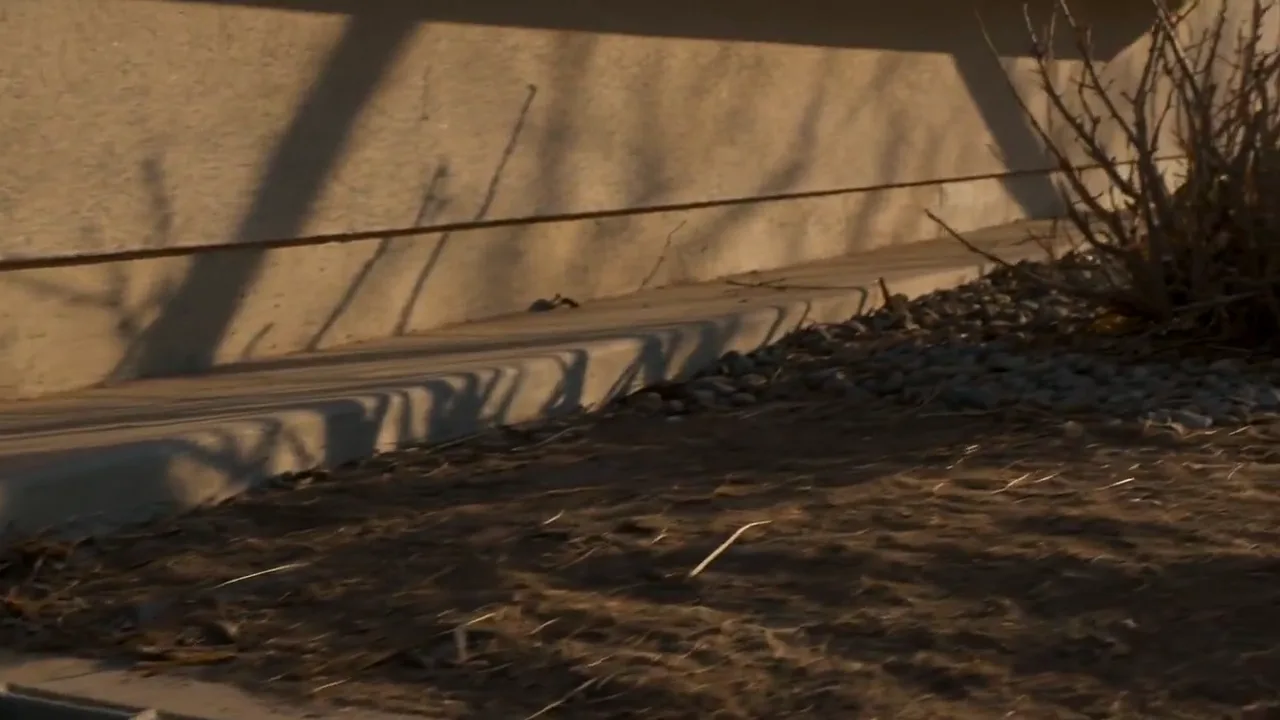
Winter is the season most people cancel pest control. It makes intuitive sense. Nothing is crawling, nothing is flying, and the problem appears to have solved itself. Along the Wasatch Front that intuition is almost exactly backwards.
Nothing left. It just stopped moving.
Most of what bothers you in July does not migrate for winter and does not die out. It overwinters, and a great deal of it overwinters as eggs, tucked into whatever sheltered gap is available on the outside of your house. Those eggs sit through the cold doing nothing at all, waiting for a run of warm days.
When that run arrives, they hatch more or less at once. That is why spring infestations feel so sudden. It was not sudden. It was scheduled.
Where the eggs actually are
- Window wells, which collect leaves and hold warmth and moisture
- Retaining walls, in the gaps between block, stone and soil
- Cracks and crevices along the foundation line
- Under eaves and overhangs, sheltered from rain and snow
- Behind anything stored flat against an exterior wall
If that list sounds familiar it is because it is the same list of undisturbed sheltered spaces that shows up in every other pest problem. Pests are not creative. They are consistent, which is the thing that makes them treatable.
Why a summer product is the wrong tool in January
A liquid applied to a wall in winter has two problems. Snow melt and rain wash it off surfaces, and liquids do not travel far into the dry voids and crevices where eggs actually sit. You end up treating the face of the wall rather than the gap behind it.
The winter service uses a water-resistant dust instead. Dust holds where it is placed through wet weather, and it moves into cracks, crevices and voids in a way a liquid does not, which is where the eggs are. Nature's Way pairs that exterior work with an interior treatment, because anything that has already come inside for the winter is inside for the duration.
The arithmetic
Treating an egg cycle in winter means dealing with a population that is stationary, concentrated in a short list of known locations, and not reproducing. Treating the same population in May means dealing with it after it has hatched, dispersed across your property and started breeding.
One of those is a defined job. The other is several months of catching up. If you have had a bad spring two years running, the winter gap is usually the reason.
What skipping a winter actually costs
The saving is one or two visits. The cost shows up as a longer, busier spring, and it compounds, because a population that gets to hatch and breed uninterrupted is larger going into the following autumn than the one that did not.
Households that have run continuous service for a few years tend to describe the same pattern: the first year is work, the second year is quieter, and after that the visits are mostly maintenance. Households that stop and restart never get past the first year, because every spring rebuilds what the previous winter was supposed to prevent.
Timing it along the Wasatch Front
The useful window is the cold stretch itself, while everything is dormant and stationary. Utah gives you a genuine advantage here that milder states do not have: a proper winter means a long, reliable period where the target is not moving and not reproducing.
The one thing worth watching for is a false spring. A warm week in February will start hatching, and if the eggs are still there when it comes, you get an early population with a head start. Treating before that warm spell is the whole idea.
What a winter visit looks like
Cade works the window wells, the retaining walls, and the cracks and crevices along the foundation, then treats indoors. You get a minimum of two days' notice before any scheduled service, so there is time to clear a window well or unlock a side gate. Retreats between visits are free and unlimited if something appears anyway.
If you would rather show somebody the problem area than describe it, the free FaceTime inspection works fine in winter, and you do not have to stand outside in it. Call the office and they will schedule a time the same business day.
Nature's Way Pest Solutions — (801) 513-4106
Call (801) 513-4106More articles
How to tell a black widow from every other spider in your garage
The identification takes about four seconds once you know what you are looking at. What comes after it is the part most people get wrong.
Why spraying the ants on your counter makes the problem worse
The ants that come back after a kitchen spray are usually not the same ants. They are the rest of the colony, relocated.