Organic, hybrid, or traditional: which one does your house actually need?
Both are genuinely organic where it matters most. What separates them is how long the outdoor product lasts.
September 1, 2026 · 4 min read
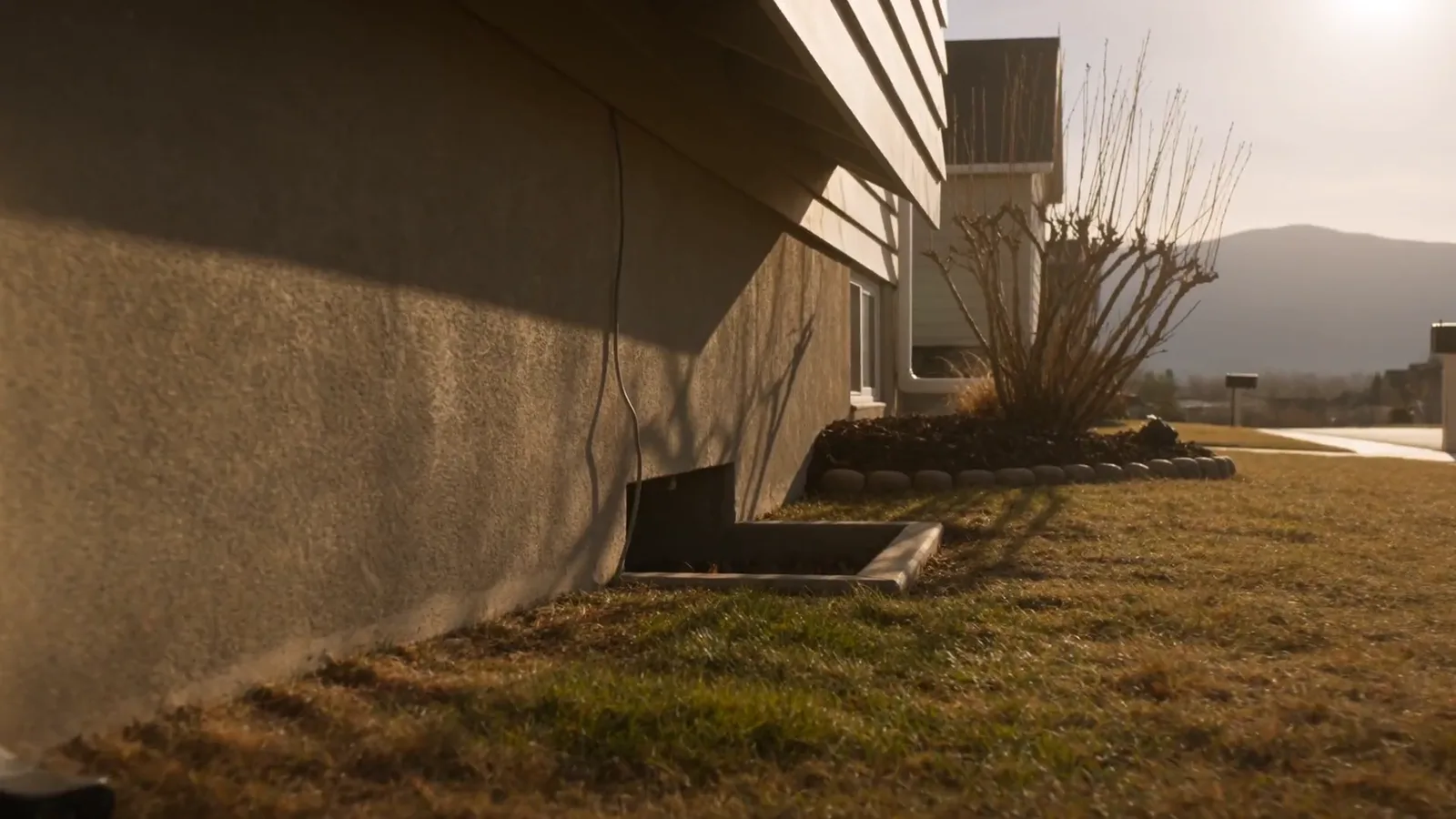
Plenty of pest control companies will go organic if you ask. Fewer of them run organic as an actual programme with its own products, its own schedule and its own equipment. It is worth understanding the difference, because it decides what your service looks like for the rest of the year.
What is the same in both
Indoors, both programmes use 100% USDA-approved organic product that is essential-oil based. That is the part most households care about, because indoors is where the children crawl, the cat sleeps and the dog eats off the floor.
Both are also applied with separate equipment from any traditional product. That detail sounds small and is not. Running organic through a sprayer that carried a conventional product means residue, and residue means the word organic stops meaning anything. Separate equipment is what makes the claim real.
Where they diverge, and why
The hybrid programme uses a microencapsulated product outdoors, derived from chrysanthemums. Microencapsulation means the active ingredient is held inside a tiny shell that releases slowly, and that shell is what makes it resistant to rain and to summer heat. It holds on an exterior wall for a long time, which is why hybrid is serviced quarterly.
The 100% organic programme uses essential-oil product outdoors as well as indoors. Essential oils are volatile by nature, which is exactly what makes them safe and also what makes them break down faster in sun and weather. So the honest recommendation for fully organic is monthly outdoor service, because the protection is shorter-lived.
That is not an upsell. It is the trade-off. You are choosing between a longer-lasting outdoor barrier and a fully organic one, and you cannot have both properties in the same product.
How to choose
- Allergy-sensitive household, or somebody in the home reacts to conventional products: fully organic is the recommendation, and it is what the programme exists for
- Standard household that wants organic indoors and a barrier that holds between visits: hybrid, quarterly
- A vegetable garden or fruit you intend to eat: say so, because there are food-safe options for those specific areas
- Pets that graze or dig in treated beds: mention it, because placement matters more than product here
What microencapsulated means in practice
It is a genuinely useful bit of chemistry and it is worth thirty seconds of explanation, because it is the reason the two programmes have different schedules.
The active ingredient is enclosed in microscopic capsules rather than applied bare. The capsules stick to the surface, survive rain and heat that would wash or degrade an unprotected product, and release the active slowly over weeks. An insect picking up capsules on its body carries them, which extends the reach beyond the exact surface treated.
The active in this case is derived from chrysanthemums, which is where the hybrid label comes from. It is a plant-derived compound in a delivery system built for weather, and it is the reason a quarterly exterior visit holds through a Utah summer.
What the first visit looks like
Whichever programme you pick, the standard visit covers a lot more ground than people expect. Lawns and yards, eaves and overhangs, the full garage including glue boards for mice and insects, exterior rodent bait boxes, retaining walls, sheds and playground areas with organic product, fence lines and flower beds, and interior baseboards in every room using the organic product.
You get a minimum of two days' notice before a scheduled service, which is enough time to move pet bowls, clear a side gate or shift anything stored hard against an exterior wall. There are no upcharges for the areas on that list. It is one visit, and the whole list is the visit.
The thing worth asking for
The most useful thing about a small owner-operated service is that the treatment can be specific. Customers regularly ask for black widows to be dealt with while orb weavers are left alone, or for squash bugs to be treated with something food safe so the squash is still edible, or for grubs to be targeted in the areas of lawn that need it without hitting the ladybirds and bees.
None of that is standard-issue. It happens because one licensed applicator is doing the whole visit and can make a decision in the moment. If you want something protected, say it out loud on the first visit.
And if it does not hold
Both programmes carry free retreatments and a 100% money-back guarantee. Between the guarantee and unlimited retreats, choosing organic does not mean accepting a worse result. It means accepting a shorter interval between visits, which is a scheduling question rather than a quality one.
A free consultation is the fastest way to settle it. Cade will look at your exterior, ask what is in the garden and who is in the house, and tell you which programme he would actually run.
Nature's Way Pest Solutions — (801) 513-4106
Call (801) 513-4106More articles
How to tell a black widow from every other spider in your garage
The identification takes about four seconds once you know what you are looking at. What comes after it is the part most people get wrong.
Why spraying the ants on your counter makes the problem worse
The ants that come back after a kitchen spray are usually not the same ants. They are the rest of the colony, relocated.